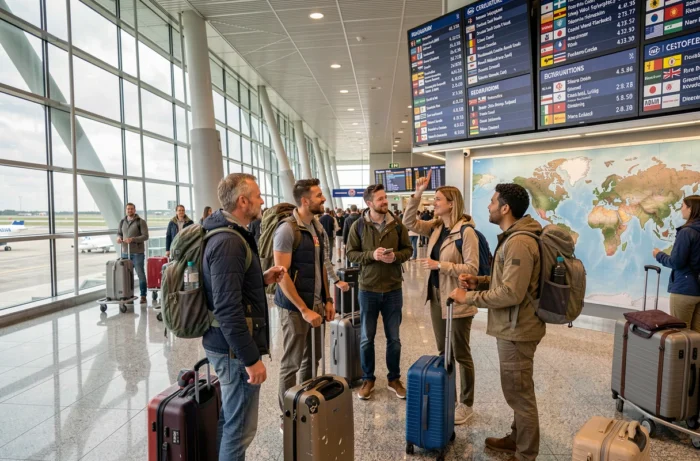
A memorable world tour is not built by stacking Instagram spots. Long-term travelers who return with the richest stories share a common point: they prioritized cultural immersion and gastronomy over the race for thrills.
According to the latest Skift report, 71% of travelers say they prioritize their spending on culinary experiences, far ahead of adventure and nature (48%) or art and culture (42%). Here are ten concrete activities that structure a solid world trip itinerary.
1. Cooking workshop with a local in Thailand
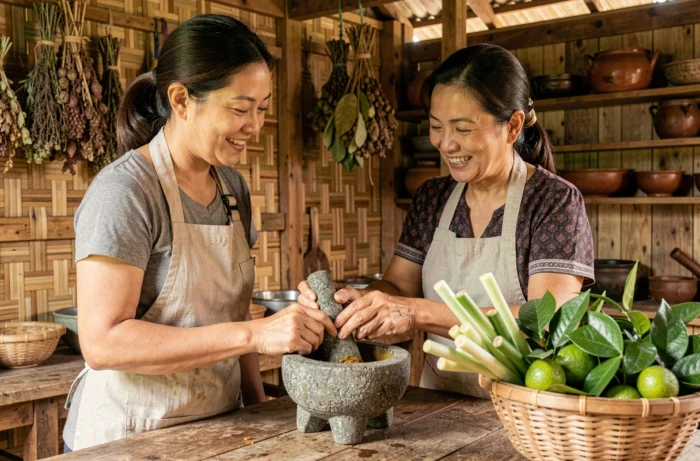
Thailand offers a dense array of cooking classes accessible in secondary cities like Chiang Rai or Khon Kaen, not just Bangkok. A workshop with a local typically includes a visit to the local market, selecting ingredients, and preparing three to five dishes.
This format provides a concrete understanding of the country that simple restaurant tasting does not offer. The value for money remains among the best in Southeast Asia for this type of activity.
2. Slow travel stay through workaway or agricultural volunteering
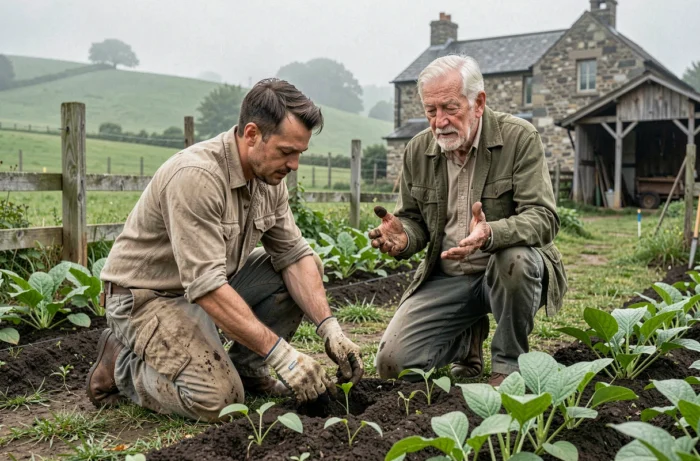
Slow travel is establishing itself as the defining trend of long-term travel. Staying three to four weeks on a farm or community project through platforms like Workaway radically transforms the nature of the stay. We recommend exploring the Tour du Monde site to identify activities compatible with this pace.
Slowing down allows you to absorb a country instead of just skimming over it. Digital nomads who hop from destination to destination at high speed often describe travel fatigue that negates the benefits of the experience. A prolonged stay in two or three places is better than ten stops of four days.
3. Hiking on a multi-day trek in Nepal
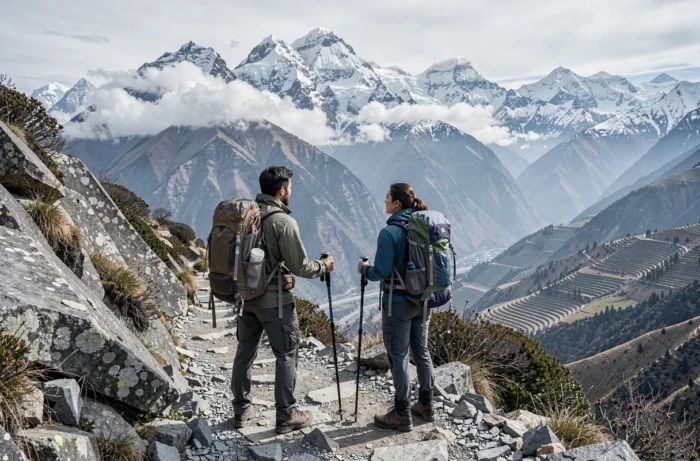
Nepalese treks (Annapurna, Langtang, Manaslu) remain a global reference for the immersion-effort-cost ratio. An eight to twelve-day trek, with accommodation in tea houses, combines sustained physical activity, high-altitude landscapes, and daily contact with local communities.
The technical point not to overlook: acclimatization. Ascending too quickly above 3,500 meters exposes you to acute mountain sickness. Plan for at least one rest day for every 800 meters of positive elevation gain above this altitude.
4. Certified scuba diving in Southeast Asia
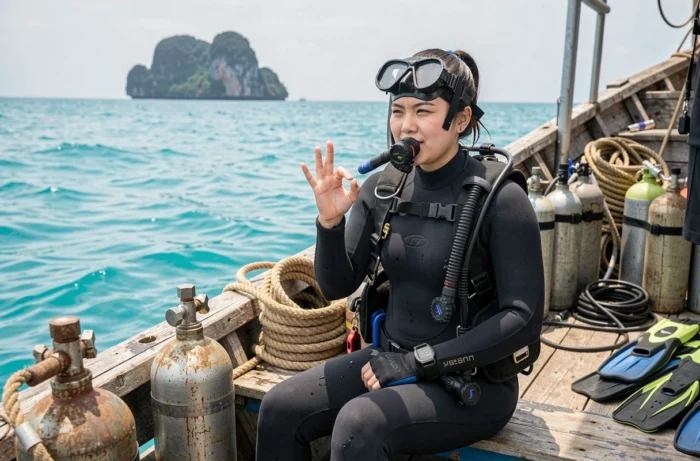
Getting your Open Water certification during a world tour is an investment that pays off for the rest of the itinerary. The most renowned training sites are found in the Philippines (Moalboal), Indonesia (Gili Islands), and Thailand (Koh Tao).
A certification obtained while traveling remains valid for life worldwide. Each coastal destination crossed thereafter becomes an opportunity for independent diving, which changes the very nature of the stay.
5. Crossing a desert while camping (Morocco or Jordan)
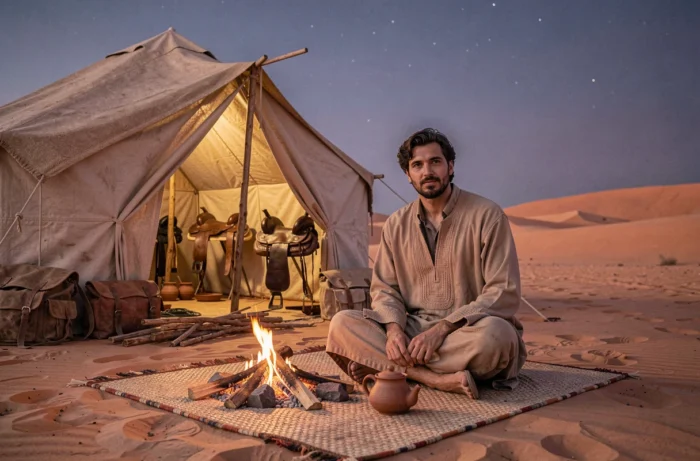
The desert imposes a total sensory break from the urban rhythm of a world tour. The Moroccan Sahara (erg Chebbi) and the Jordanian Wadi Rum offer structured camping facilities without sacrificing authenticity.
The activity makes sense over a minimum of two nights. One night is akin to express tourism. Two nights allow for long walks, a sunset, and a sunrise in conditions of absolute silence.
6. Itinerary of local markets in Latin America
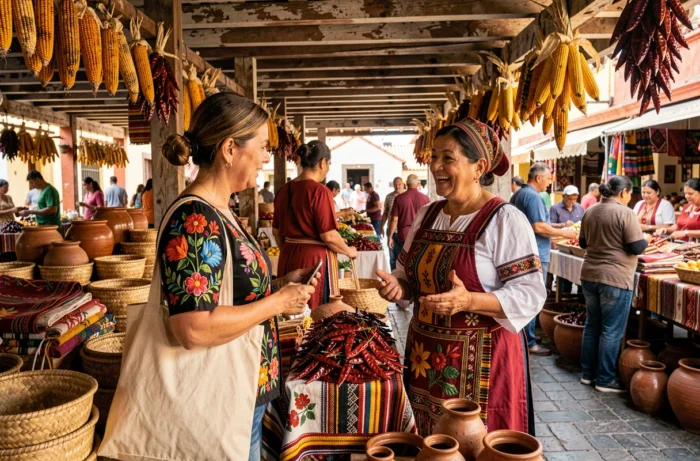
Structuring a week around the markets of Oaxaca (Mexico), Cusco (Peru), or Sucre (Bolivia) constitutes a full-fledged activity, not just a supplement. Markets are the most direct access point to the local economy and popular gastronomy.
In practice, this means leaving the tourist circuits: the most interesting markets are not those listed in guides, but those frequented by locals for their daily shopping.
7. Walking safari in Southern Africa
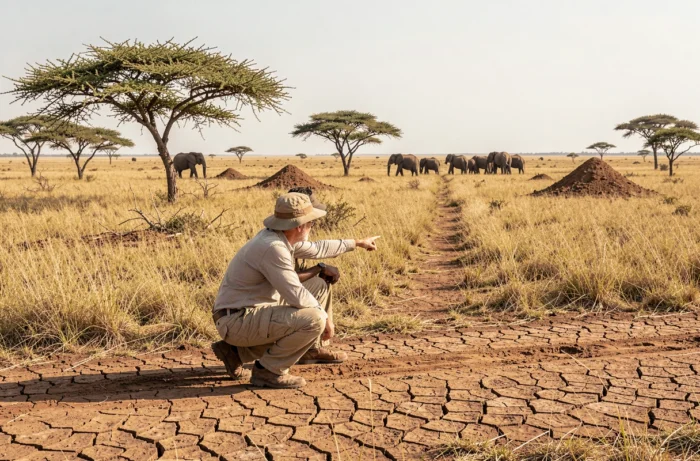
Vehicle safaris are a passive activity. Walking safaris, offered in certain reserves in Zambia, Zimbabwe, or South Africa, place the traveler in direct contact with wildlife. The level of awareness of the environment changes radically when walking through the bush.
This format requires a certified armed guide and is practiced in small groups of four to six people maximum. Availability is limited, and advance booking is essential.
8. Learning a local language through immersion
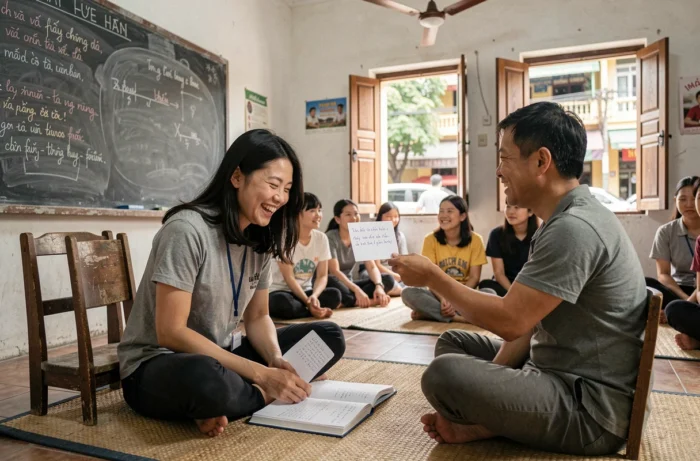
Spending two to three weeks learning Spanish in Guatemala or Portuguese in Brazil is not wasted time on the itinerary. It is an immersion accelerator for the rest of the trip in the relevant language area.
Speaking the local language, even at a basic level, opens up interactions that would otherwise be inaccessible. Language schools in Latin America often offer homestay accommodations, which doubles the immersion effect.
9. Cargo or sailing hitchhiking crossing between two continents
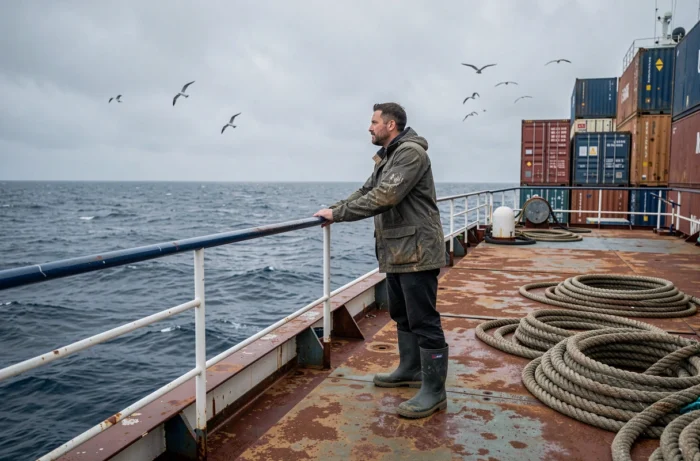
Replacing an intercontinental flight with a maritime crossing changes the perception of distances. Sailing hitchhiking (volunteer crew on private boats) remains the most radical way to connect Europe to the Caribbean or the Pacific to Southeast Asia.
The constraints are real: unpredictable availability, variable crossing duration (two to four weeks for a transatlantic), and Spartan comfort conditions. This is not a tourist activity; it is a mode of transport that becomes the experience itself.
10. Long-term meditation or yoga retreat in India
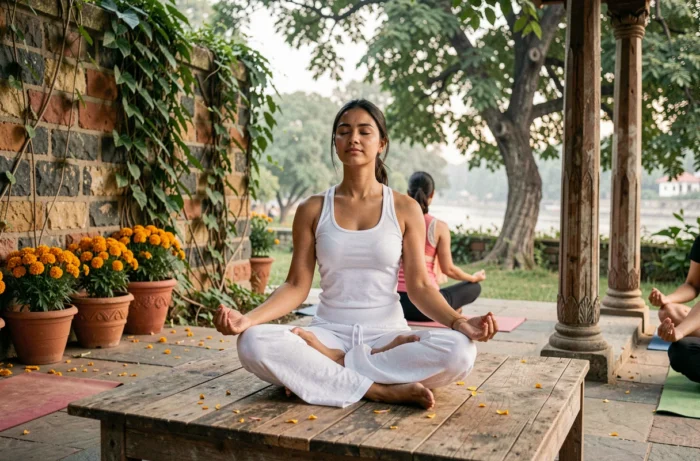
India remains the reference destination for Vipassana meditation retreats (ten days of silence) or intensive yoga training. This activity meets a concrete need for long-term travelers: to recover physically and mentally mid-journey.
Vipassana centers operate on a donation basis, making them accessible regardless of budget. Yoga training (200-hour type) in Rishikesh or Mysore combines physical practice and a structured environment after weeks of constant travel.
A memorable world tour relies on a few carefully chosen activities, not on an accumulation of stops. The three criteria that recur among the most satisfied travelers:
- Prioritize depth over quantity, staying long enough to move beyond the stage of a passing tourist
- Alternate physical activities, cultural immersion, and recovery time to sustain over several months
- Allocate a portion of the budget to local culinary experiences, which remain the most effective vector of immersion according to recent data